Cold mornings can make getting dressed a daily challenge, especially when children complain about itchy fabrics or adults struggle to find a beanie that stays comfortable all day. Choosing suitable winter essentials isn’t simply about buying the thickest items. A wool kids blanket, a comfortable toddler beanie and the right adult headwear should match your family’s needs, local weather and daily routine.
Natural fibres such as Merino wool are popular for their warmth, softness and moisture-management properties. However, not every wool product feels the same, and the wrong fit or fabric can quickly become frustrating. Understanding what to look for can help you choose practical winter accessories that your family will actually enjoy using.
Why Can Winter Clothing Feel Uncomfortable for Children?
Children often struggle to explain why a blanket feels scratchy or why they keep pulling off their hats. Sometimes the material irritates their skin. Other times, the clothing feels too tight or makes them too warm during play.
These small problems can turn getting ready into a battle.
When choosing winter essentials, consider:
- Softness: Look for materials that feel comfortable against the skin.
- Breathability: Choose fabrics that help manage warmth and moisture.
- Fit: Hats should stay in place without squeezing the head.
- Weight: Heavy layers may feel uncomfortable during active play.
- Care: Check washing instructions before buying.
Children have different preferences, so a material that works well for one child might not suit another. Pay attention to their reactions rather than assuming they simply dislike winter clothing.
What Should You Look for in a Wool Kids Blanket?
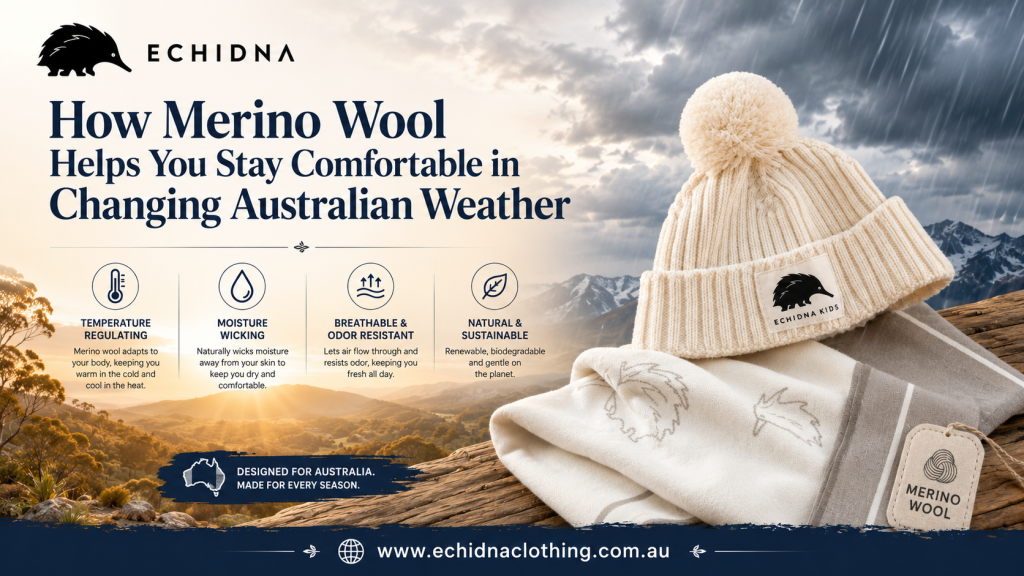
A wool kids blanket can be a useful option for families seeking natural insulation during cooler weather. Wool helps retain warmth while its fibres can absorb moisture vapour, making it an interesting choice for everyday winter comfort.
However, choosing a blanket involves more than checking its warmth.
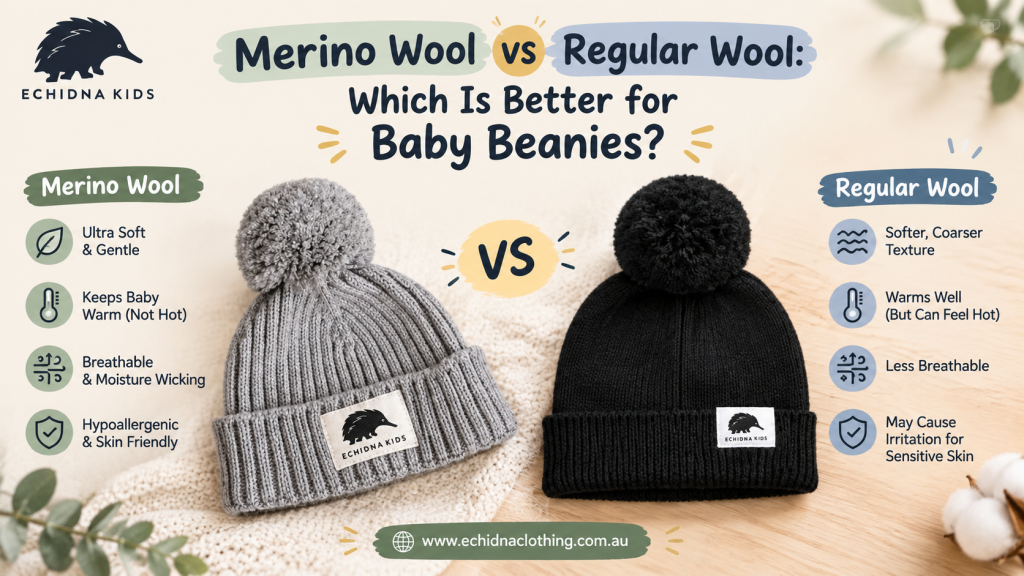
Start with the material. Fine Merino wool often feels softer than coarser wool, although the final texture also depends on how the fabric is made and finished. If your child has sensitive skin, check the product details and consider how the material feels before extended use.
Next, think about the blanket’s intended purpose.
Will you use it during supervised family outings, while relaxing together or as an extra layer for appropriate situations? Your answer will help determine the most practical size and weight.
Before buying, consider these points:
- Is the fabric comfortable against your child’s skin?
- Is the blanket suitable for your local climate?
- Can you wash and dry it according to its care instructions?
- Is its size appropriate for the intended use?
- Does it meet relevant safety recommendations?
Remember: Loose blankets, quilts and other soft bedding shouldn’t be placed in an infant’s sleep space. For babies under 12 months, follow safe-sleep guidance and keep the cot free from loose bedding.
Is Toddler Merino Wool a Good Choice for Winter?
The toddler years bring plenty of movement. Children run, climb and explore, often moving between cool outdoor spaces and warm indoor rooms. Their winter clothing needs to accommodate all that activity.
Toddler Merino products may appeal to parents who want natural insulation without relying on bulky layers. Merino wool has relatively fine fibres and can feel softer than many coarser wool types.
It can also help manage moisture, which may support comfort during everyday wear. Still, Merino wool isn’t automatically the right choice for every child. Individual skin sensitivities and personal preferences matter.
When choosing a toddler Merino beanie, look for:
- A comfortable fit that doesn’t leave deep marks.
- Soft fabric that doesn’t irritate the forehead.
- Appropriate ear coverage for colder weather.
- A design that stays in place during ordinary activities.
- Clear washing and care instructions.
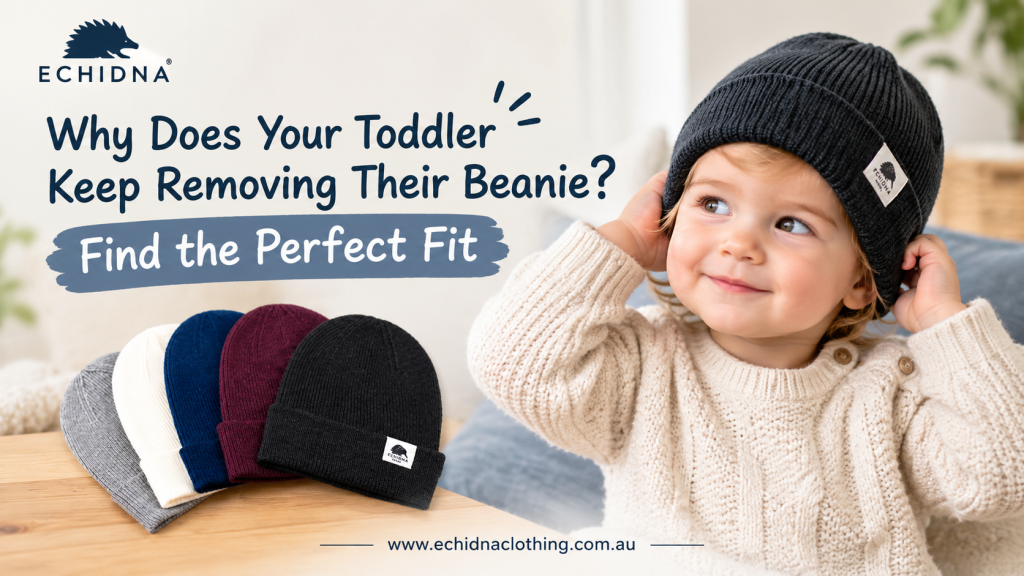
If your toddler repeatedly removes their beanie, check whether it’s too tight, itchy or warm. Letting them choose between two comfortable options may also make getting dressed easier.
For active play, avoid accessories that could catch on playground equipment. Remove them when necessary to reduce the risk of entanglement.
How Can You Choose an Adult Beanie That Fits Properly?
Have you ever bought a beanie that looked great but slipped backwards every time you moved? Or perhaps it felt so tight that you couldn’t wait to take it off.
The problem often comes down to fit and construction.
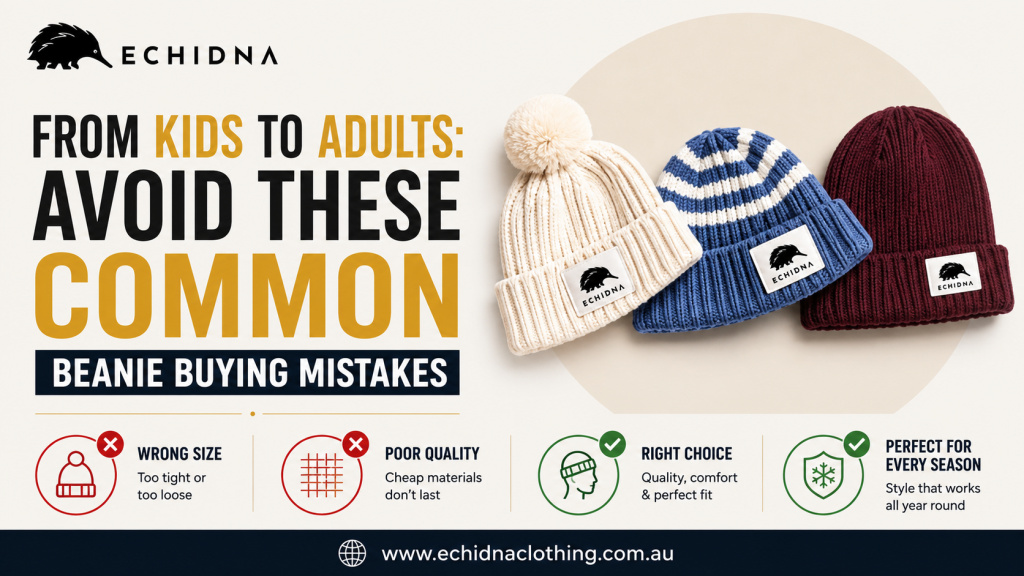
When choosing an adult beanie, consider your head size, preferred style and typical winter activities. A close-fitting design may work well for daily walks, while a relaxed beanie might suit casual outings.
Pay attention to these details:
Head coverage: Choose a design that covers the areas you want to protect, particularly your ears in cold weather.
Comfort: The beanie should stay in place without creating pressure around your forehead.
Material: Wool and Merino wool can provide natural insulation. Other knitted fabrics may suit people who prefer different textures or care requirements.
Versatility: Think about whether you’ll wear it during commutes, outdoor exercise or relaxed weekends.
If you regularly wear glasses or headphones, check whether the beanie remains comfortable with them. Small details can make a significant difference during daily use.
Is a Merino Wool Beanie Worth Considering?
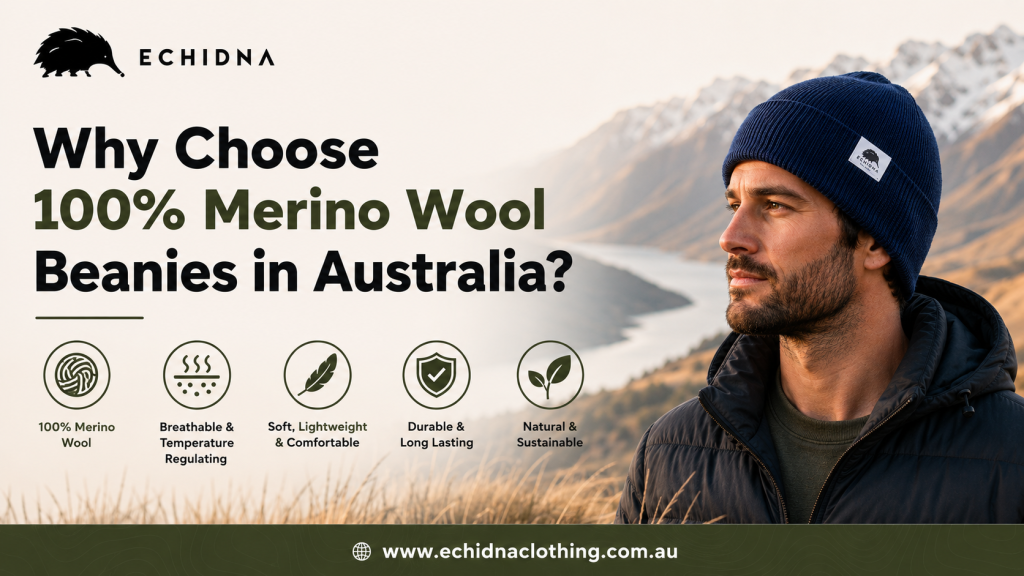
A merino wool beanie can be a practical option if you want warmth from a natural fibre without necessarily choosing a bulky design.
Merino wool is valued for its relatively fine fibres, natural insulation and ability to manage moisture. These characteristics can make it suitable for a range of winter activities.
However, the quality of a beanie depends on more than its fibre name. Yarn construction, knitting density, finishing and fit all influence how the finished product feels.
Before choosing one, check:
- The stated fibre composition.
- The size and fit information.
- The recommended care method.
- The thickness and style.
- Whether the design suits your climate.
A lightweight beanie may be sufficient for milder winter days. Colder conditions might call for a warmer design or additional layers.
Remember that overheating can also occur in winter. Remove unnecessary layers when moving into heated spaces, and choose clothing according to your activity level.
How Can You Keep Wool Blankets and Beanies in Good Condition?
Wool products can remain comfortable for a long time when you care for them correctly. However, excessive heat, rough washing and incorrect drying can damage fibres or change their shape.
Follow these simple habits:
- Read the care label: Different products have different washing requirements.
- Use suitable detergent: Choose a wool-friendly detergent when recommended.
- Avoid rough handling: Don’t wring wet knitted items.
- Dry carefully: Reshape items and follow the manufacturer’s drying instructions.
- Store properly: Make sure everything is clean and completely dry before storing it.
You don’t necessarily need to wash wool after every use. Airing an item between wears may help it stay fresh when it doesn’t require cleaning.
These small steps can help preserve the fabric’s appearance and comfort.
Frequently Asked Questions
Is a wool kids blanket suitable for everyday use?
It can be useful for appropriate everyday activities, depending on its weight, material and intended purpose. Always follow the care instructions and keep loose blankets out of an infant’s sleep space.
Is Merino wool suitable for toddler beanies?
Merino wool can provide natural insulation and often feels softer than coarser wool. Choose a comfortable size and consider your child’s skin sensitivity and activity level.
How do I choose a baby beanie for cold weather?
Check the size, softness and coverage. Use a beanie when appropriate for the conditions, but avoid overheating your baby and follow safe-sleep recommendations about head coverings.
What makes a wool blanket a useful newborn gift?
A thoughtfully chosen blanket can be a practical gift, particularly when it suits the family’s needs and climate. However, parents should understand that loose blankets aren’t suitable for infant sleep.
How should I wash a Merino wool beanie?
Check the care label first. Use an appropriate wool detergent when recommended and avoid excessive heat. Dry and reshape the beanie according to the manufacturer’s instructions.
Final Thoughts
Winter comfort comes down to choosing suitable materials, a comfortable fit and the right level of warmth. A wool kids blanket may suit family activities, while toddler Merino accessories and adult beanies can offer practical options for cooler days.
Before buying, consider your family’s routine, local climate and individual comfort preferences. Good care also helps keep wool products looking and feeling their best.
Echidna Clothing offers wool products for children and adults, giving families options to explore when choosing winter essentials made with natural fibres. Whether you’re selecting a blanket for a child or a Merino wool beanie for yourself, prioritise comfort, practical use and appropriate warmth over appearance alone.